
-

flow case studies, Trade finance and lending
Guinea’s wealth creation manifesto
flow’s Clarissa Dann reports on how The Republic of Guinea’s government chose the UK Export Finance and Deutsche Bank partnership to develop the Koloma Administrative City to house multiple ministries under one roof, improving efficiency and transparency and delivering long-term cost savings to the treasury
MINUTES min read
When Guinea Conakry’s (Republic of Guinea’s) leader General Mamady Doumbouya obtained 87.6% of the vote in the presidential election on 28 December 2025, this delivered a seven-year mandate;1 presenting an opportunity for the country to invest in itself and move more of its population out of poverty.
Despite its abundant natural resources – including diamonds, iron ore, gold and bauxite – a growing population (now exceeding 15 million), and optimum geographic location, more than half the Guinean population lives below the international poverty level of US$3.65 a day.
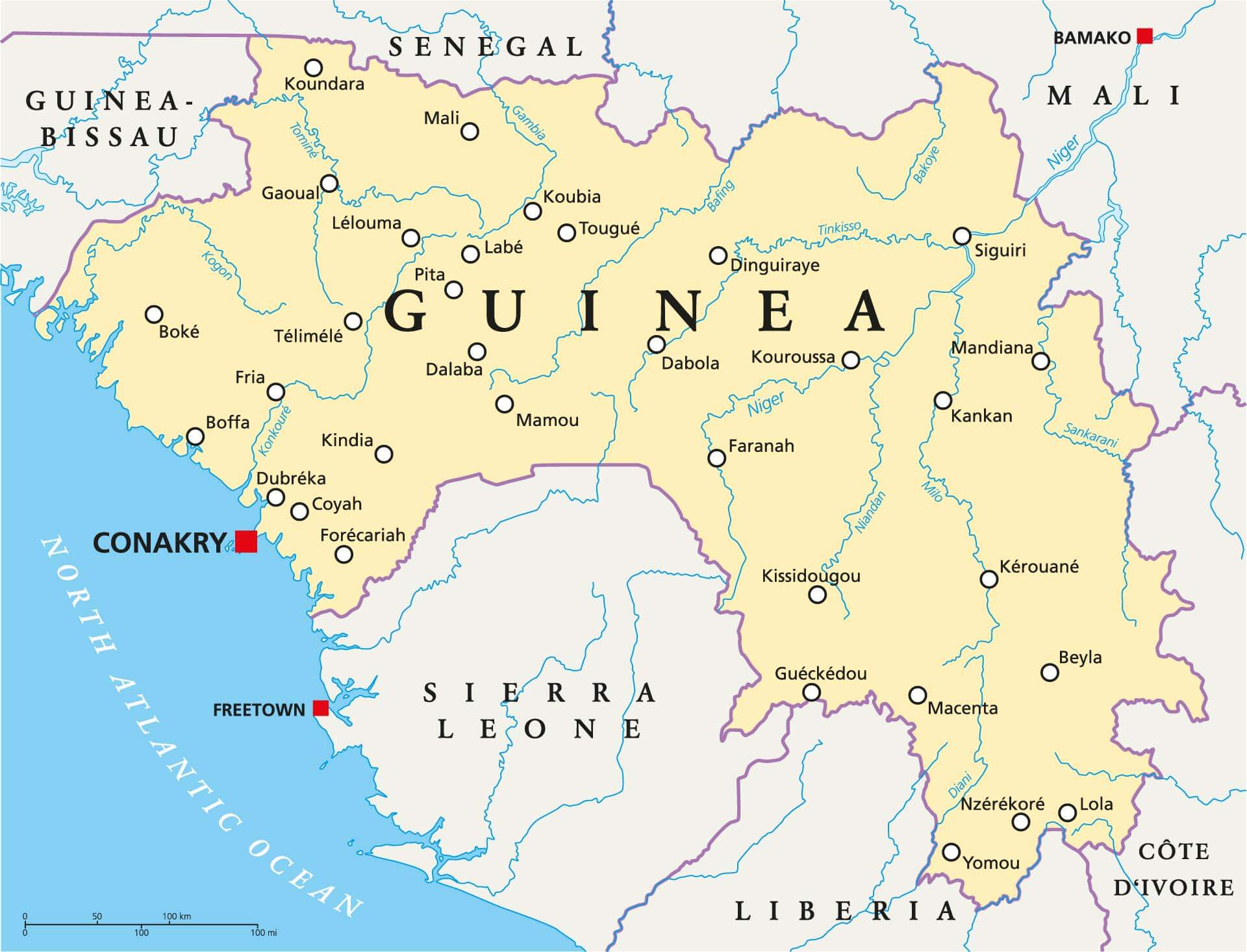
Situated in West Africa bordering six countries (Guinea-Bissau, Senegal, Mali, Sierra Leone, Liberia and Côte d’Ivoire), this sub-Saharan African republic is ideally situated for agriculture and trade – and is one of the richest countries in the world for mineral wealth. Not enough of this wealth, however, is invested in the country itself – a deficiency the new government has tasked itself with rectifying. Part of its policy is improving Guinea’s investment climate. The government’s Programme de Référence Intérimaire de la Transition (PRI), launched in 2022,2 set out various measures to address this.
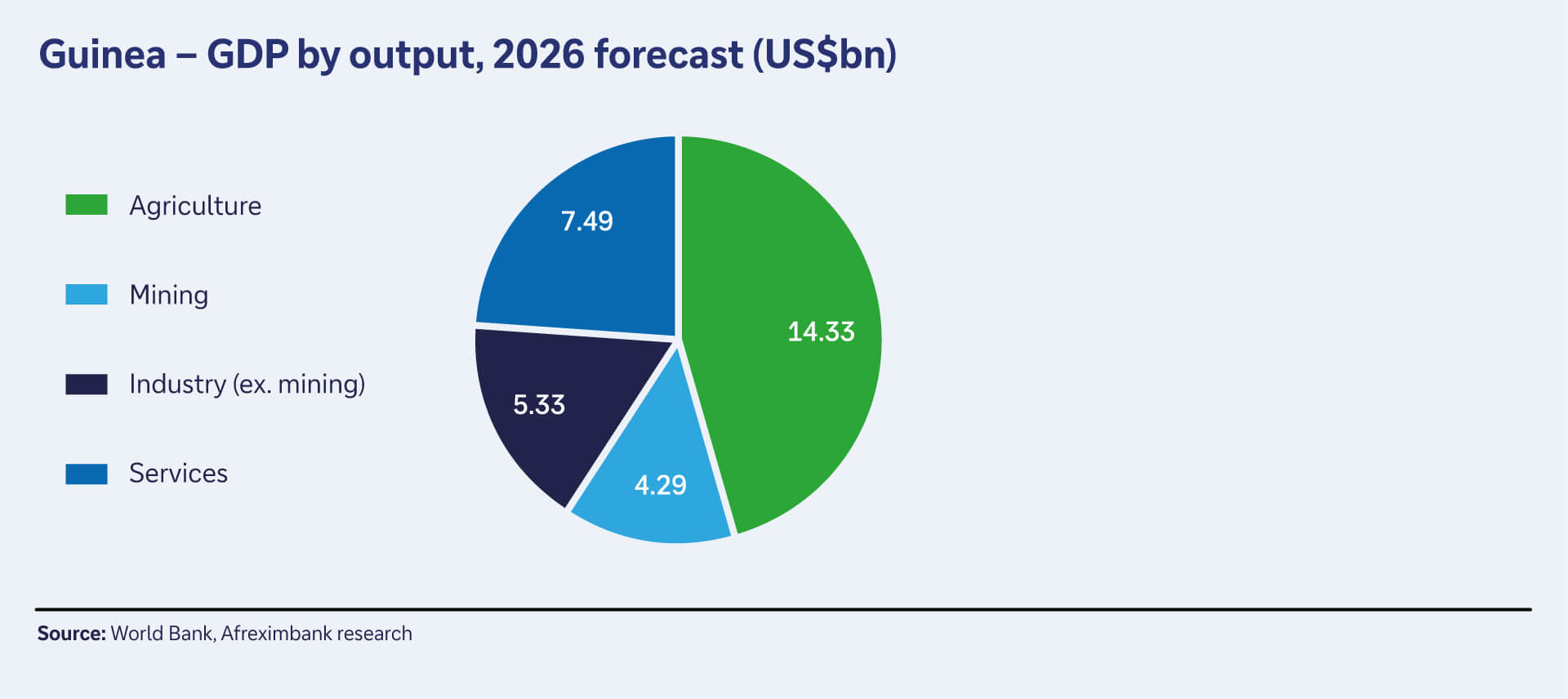
Figure 1: Guinea – GDP by output, 2026 forecast (US$bn)
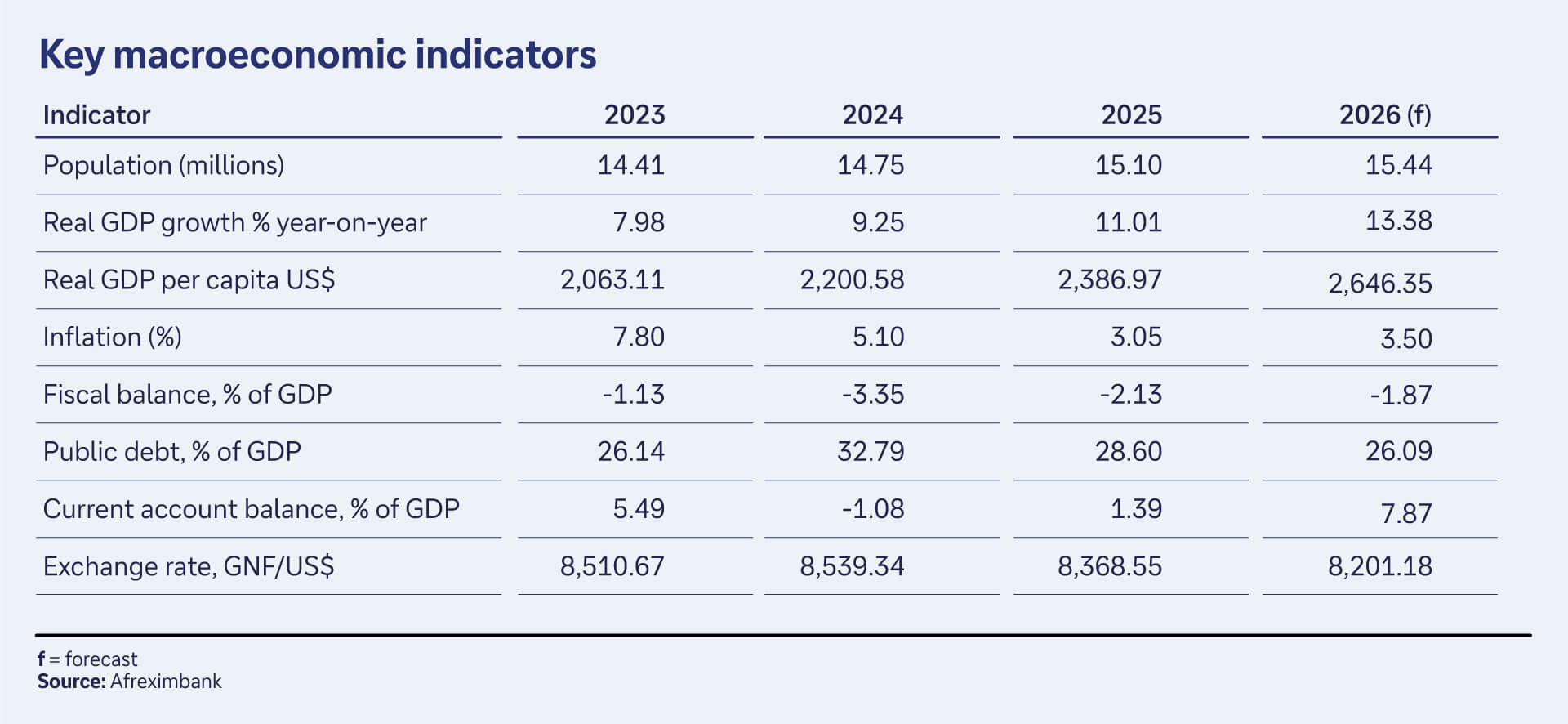
Figure 2: Key macroeconomic indicators
Fast economic growth but…
Mining sustained growth over the period 2016–24, averaging 6.5% annually (3.85 per capita). S&P assigned Guinea its first sovereign credit ratings in September 2025, giving it a ‘B+’ long-term and ‘B’ short-term rating with a stable outlook. Its several billion metric tonnes of bauxite reserves, together with the world’s largest untapped high-grade iron ore reserves, have been powering Guinea’s fast GDP growth for several years.
Exceptionally strong demand from China (the world’s second-biggest economy is the largest producer of the aluminium processed from bauxite) not only underscores Guinea’s pivotal position in global mineral supply chains, but as noted in the 2024 flow article, ‘Mining tomorrow’s energy infrastructure’, how the world’s largest exporter dominates every part of the midstream and downstream supply chains of many materials, from material processing and refining to electric vehicle production.
However, notes the World Bank, real effective exchange rate appreciation induced by the mining boom is eroding the competitiveness of Guinea’s tradable non-mining sectors, hampering economic diversification and poverty reduction. “Limited local procurement and few downstream activities constrain transmission of mining booms to broad-based employment in job-intensive sectors,” it cautions. “As a result, employment is low, with only about 49% of the working-age population employed.” Furthermore, the country cannot feed itself. Its agriculture exports are mainly cash crops such as coffee and sugar, and it imports fuel, machinery, vehicles and foodstuffs with China, India and France as the main sources.3
“Historically, Guinea was the major agricultural producer among the colonies of French West Africa. The sector subsequently collapsed, making Guinea a net food importer, despite its immense agricultural potential. Agricultural production is, with few exceptions, at the smallholder/subsistence level,” reported the US International Trade Administration in 2024.4 “Agriculture employs 52% of Guinea’s workforce, yet formal farming is negligible, underscoring a core gap in processing investment, where most value and jobs can be created,” noted the World Bank in January 2026.5
Economic reports on the country agree that Guinea needs to leverage its abundant resources to achieve “inclusive” growth, rather than income from raw commodities extracted by overseas buyers. This is where the downstream value addition benefits the destination country rather than the original exporting country – a pattern of trade played out across much of the continent.
As explained by Yemi Kale, Chief Economist at Afreximbank, “Government policy will increasingly support investment in downstream processing as authorities seek to reduce the country’s reliance on raw mineral exports.”6 This includes creating five to six alumina refineries by 2030 (rather than all the refining being done in China), boosting domestic processing capacity to around seven million tonnes a year. Its Simandou iron ore project will also play a key role in driving Guinea’s economic expansion, notes Kale. “As the world’s largest untapped high-grade iron ore reserve, the US$20bn project began initial shipments in December 2025.”
Guinea’s new government is addressing the country’s poor infrastructure, and, as the World Bank puts it, “challenges in efficiency and equity” along with “inadequate prioritisation of investments, inefficient procurement and project execution, and opacity in investment data and public company management”. This means not only investing in the country’s roads, rail and power, but in ensuring the actual government itself can work transparently and efficiently.
Building the Koloma Administrative City
During his interim leadership tenure in March 2023, General Mamady Doumbouya launched a project to build an integrated administrative city in Koloma, a suburb of the capital of Conakry, as existing office stock was no longer fit for purpose.
At present, many of the government ministries, departments and agencies are based in Kaloum at the narrow tip of the peninsula on which Conakry is located. It’s overcrowded and there is little room for expansion of existing offices. Further inland, Koloma is in a part of the peninsula with much more space (200 hectares) for development. Part of the government’s overall Simandou 2040 Programme,7 the Cité Administrative Koloma will cover an area of around 71,306 m², comprising 12 seven-story buildings, two car parks, parking areas, utilities, infrastructure networks, landscaping, auditoriums, and technical rooms.
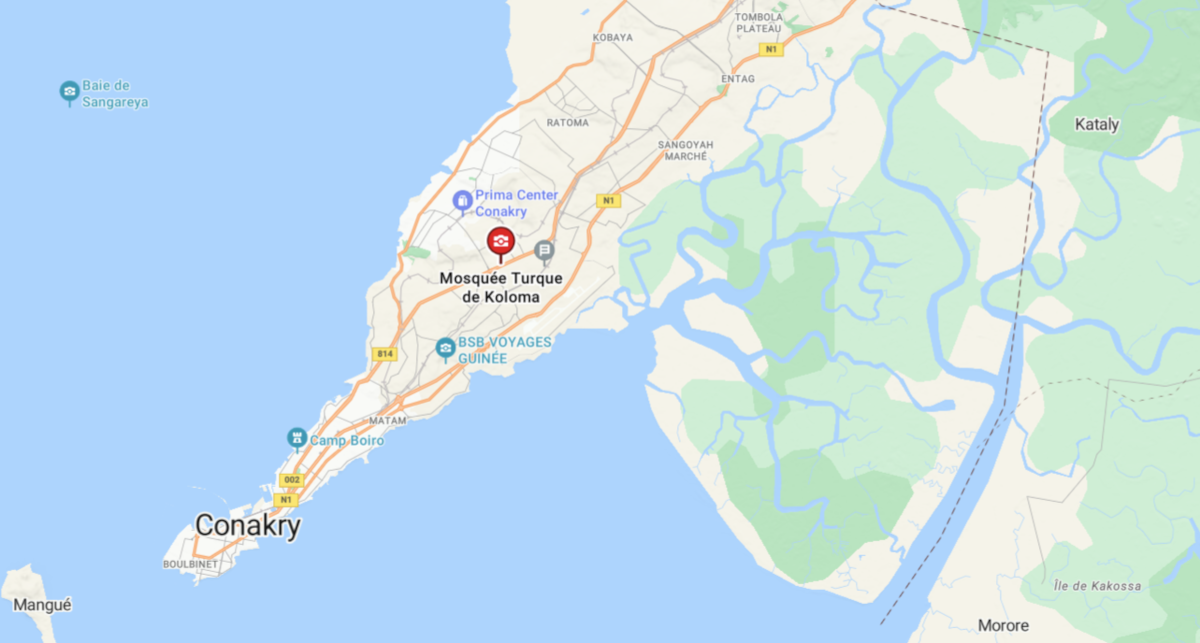
The initiative aims to provide optimal and modern working conditions for state employees and is managed by the National Company for Development and Real Estate Promotion (SONAPI S.A) under the supervision of the Minister Secretary General of the Presidency. It will house multiple government ministries at a single site, providing significant cost savings to the Guinea government, which will no longer have to lease its premises.
Another expected benefit of this project is to support the fight against corruption at the governmental level by clustering and assembling government stakeholders in one central place. The building of the ministerial city is a priority project under the government’s PRI development plan, which aims to create more transparency and connectivity among the administration.
Financing the project
The project was undertaken by the Arabian Construction Company (ACC), known for its complex and prestigious construction and infrastructure projects across Africa, the Middle East and the sub-continent.
“This landmark project will centralise ministries into a modern, efficient administrative hub”
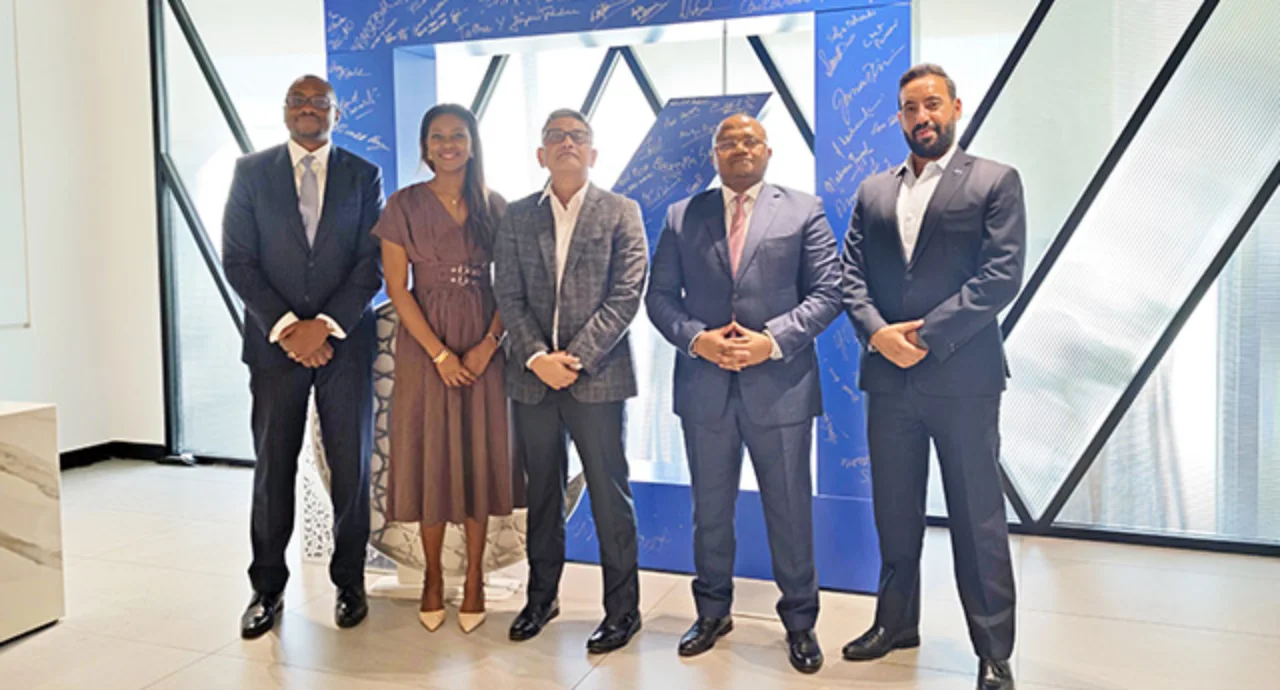
“Koloma Administrative City is a landmark government office project that will centralise ministries into a modern, efficient administrative hub in Guinea. ACC is proud to deliver this development in partnership with Deutsche Bank and UK Export Finance, combining construction expertise with a tailored financing solution to support its successful execution,” reflected Aaron Chehab, ACC’s Head of Business Development.
Deutsche Bank acted as the coordinating mandated lead arranger (MLA) for the finance, which also included Standard Chartered as the other MLA in a €284m financing to the Ministry of Economy and Finance of the Republic of Guinea.8
In other words, the borrower here is the Republic of Guinea represented by the Ministry of Economy and Finance, which oversees designing, drawing up, implementing and monitoring government policy in the fields of Economy and Public Finance. The 12-year loan is secured by a 100% guarantee from the UK government through UK Export Finance (UKEF), the UK’s export credit agency. The UKEF first tranche element was split between the two commercial banks at €93.1m each. The second tranche is a €98.2m direct loan from UKEF. Financing also comprises both fixed and floating interest rates, which will help the UK government manage its portfolio.
“UKEF was pleased to partner with Deutsche Bank on the project, combining buyer credit with direct lending to bridge a clear market gap”
The deal, which reached financial close on 1 August 2025, marks the first ECA-supported commercial financing for the Government of the Republic of Guinea and the first project for Deutsche Bank and UKEF in the country. It was also undertaken prior to official assignment of the credit rating.
“UKEF was pleased to partner with Deutsche Bank on the Koloma Ministerial City project, combining buyer credit with direct lending to bridge a clear market gap in an early stage market where commercial appetite was limited,” reflects Steven Gray, Regional Representative – West Africa, UKEF. He adds, “We also worked closely with the Government of Guinea to deliver a social package, ensuring that historic issues from previous administrations – particularly related to community impacts – were meaningfully addressed through the project’s financing.”
Sapna Sapra, Head of Structured Trade and Export Finance UK, Deutsche Bank, concludes, “This was a pioneering transaction for the market and has paved the way for many more critical infrastructure projects supported by UKEF and other ECAs.”
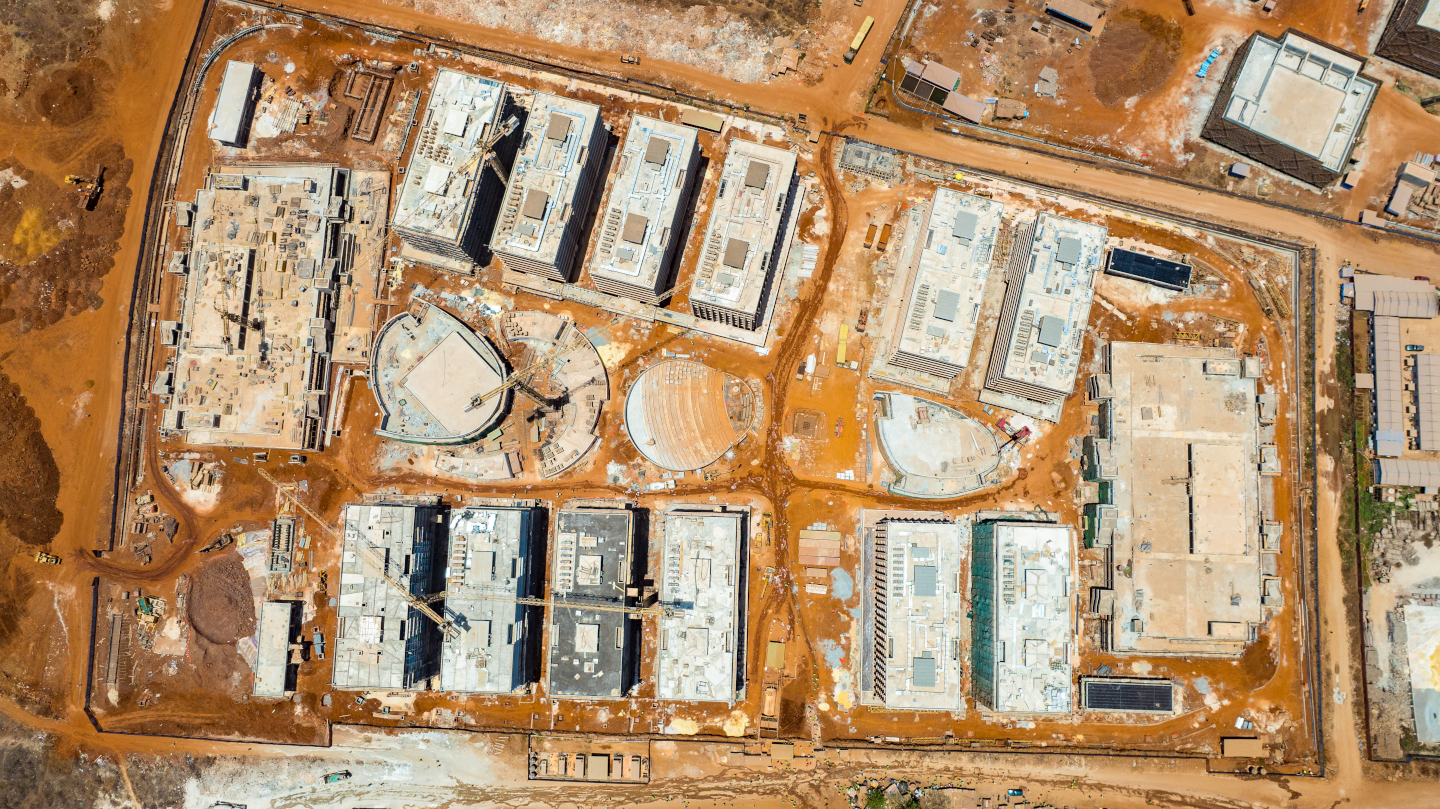
Photos: © Arabian Construction Company Guinéa
Sources
1 See Guinea's Mamadi Doumbouya: Military man to be sworn in as a civilian president - BBC News at bbc.co.uk
2 See Parlement : le CNT adopte la loi sur le Programme de référence intérimaire – Guinéenews© at guineenews.org
3 See GUINEA MPO at thedocs.worldbank.org
4 See Guinea - Agriculture Sector at trade.gov
5 See Unlocking Guinea’s agriculture development: creating jobs for inclusive growth at worldbank.org
6 Guinea country profile 2026, Afreximbank
7 See Simandou 2040 | Transformation Économique de la Guinée at simandou2040.gn
8 See Cité administrative de Koloma, autosuffisance alimentaire, environnement, énergie solaire et éducation : le CNT adopte cinq textes majeurs – CNT at cnt.gov.gn


You might be interested in
flow case studies, Trade finance and lending
Financing Dar es Salaam’s new bus network Financing Dar es Salaam’s new bus network
As bus rapid transit (BRT) systems in Africa continue to expand in response to increased urbanisation, flow’s Clarissa Dann profiles the roll-out in Tanzania’s Dar es Salaam and spotlights how a trade finance partnership with a local bank using a letter of credit got the wheels turning
Trade finance, flow case studies {icon-book}
Building essential infrastructure in West Africa Building essential infrastructure in West Africa
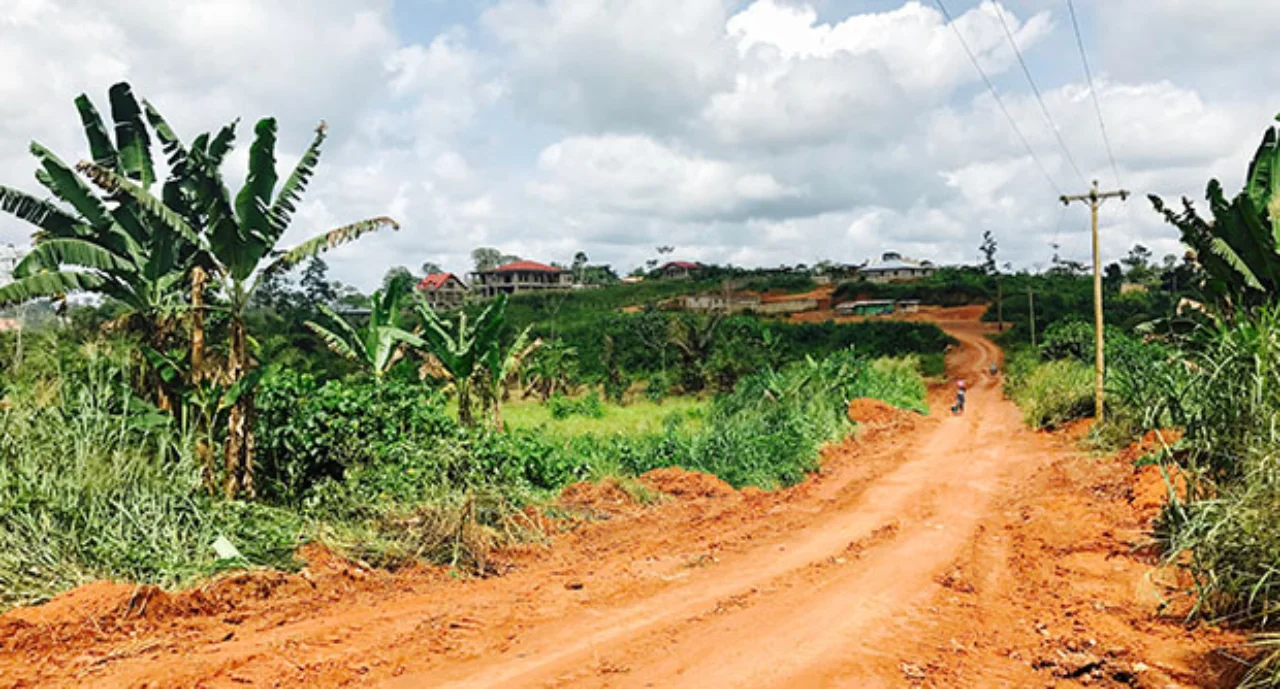
As West African countries have built their economies, it has often been a lack of infrastructure that has held them back. flow’s Clarissa Dann looks at the trading history of Nigeria and Cameroon and shares case studies of how export finance has enabled improved electricity supplies and a vital road
Trade finance and lending, Macro and markets {icon-book}
Angola’s rebound Angola’s rebound
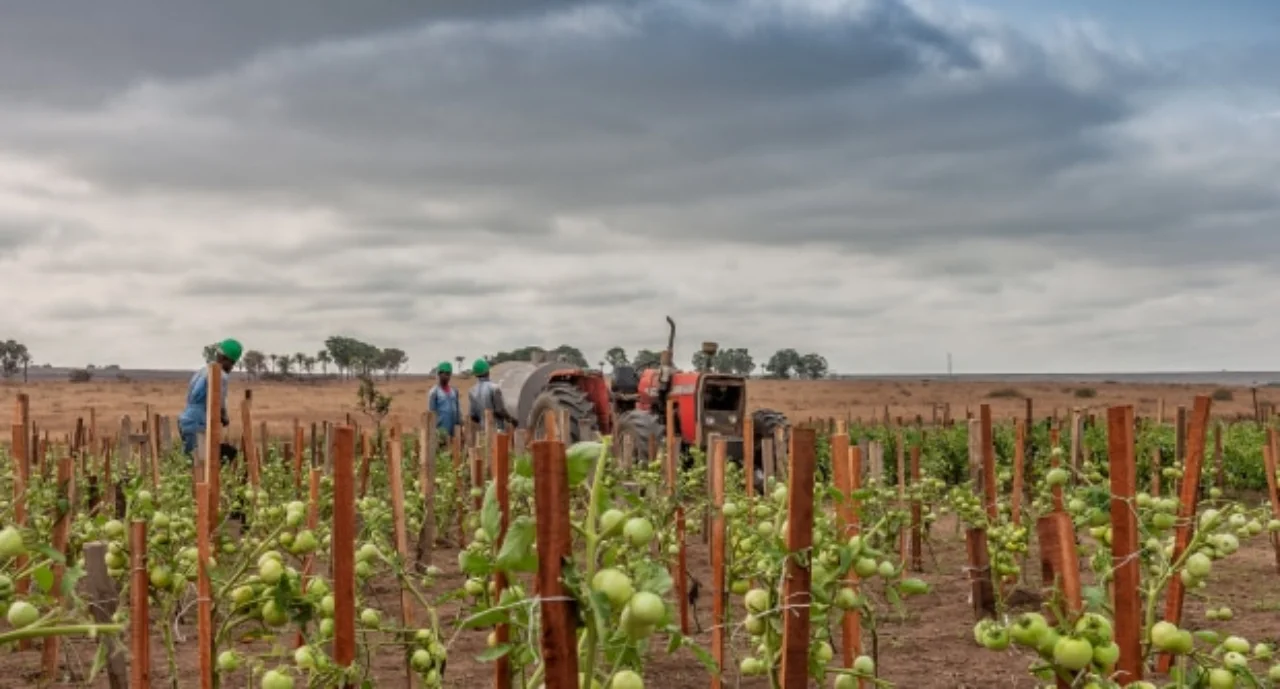
Angola was once top coffee producer and could feed its people but is now dependent on hydrocarbon exports to finance foodstuff imports. flow’s Clarissa Dann reports on how enlightened government reforms are attracting investment and lending to support long-term energy and food security