
Despite its competitiveness challenge, Europe remains an attractive destination for international companies, according to a new Deutsche Bank survey. But why do many business leaders outside of Europe see a more positive picture than the headlines might suggest?
MINUTES min read
Much has been made of sluggish European growth in recent years, with the September 2024 Draghi report laying bare Europe’s productivity and competitiveness challenges.1
But a new survey published by Deutsche Bank, Global Sentiment Survey on Europe 2026, paints a much rosier picture. As the survey highlights, international companies are far more optimistic about Europe than recent reports would suggest.
This article summarises the core findings of the survey – which featured inputs from 1,200 senior leaders and decision-makers from companies in 13 non-European markets – to explain why international companies see plenty of promise in Europe as an investment destination.
Europe: an attractive proposition for global investors
More than one-third of survey respondents cited Europe as the world’s most attractive region for their business, putting it ahead of Asia (excluding China), North America, the Middle East and Africa, China, and Latin America. Among companies already invested in Europe, 45% rank it as their first choice. That falls to 15% among those not yet invested, pointing to a significant opportunity to convert broader confidence in Europe into future investment.
Europe’s appeal as an investment destination is also gaining momentum. Some 81% of business leaders say the region has become more important to their investment decisions over the past three years (see Figure 1 below), while just 3% report that its importance has declined.
As confidence in Europe remains robust, future capital allocation looks set to be strong, with a large majority of firms intending to deepen their presence in Europe – or establish one – over the coming years. Asia-Pacific (APAC) is notable for its future potential; the region has the largest share of companies planning to enter Europe (see ‘The Asia story’ section below).
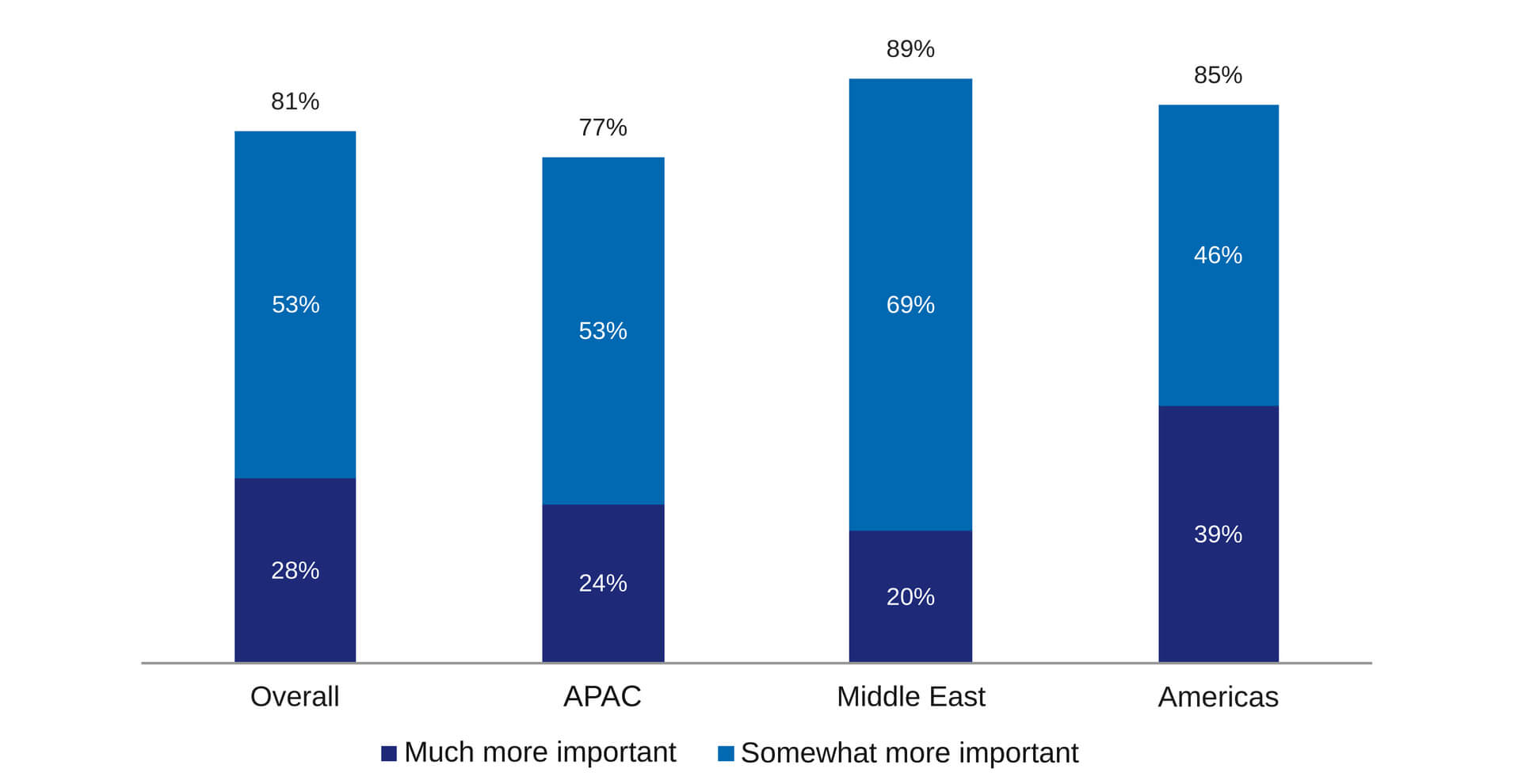
Figure 1: Importance of Europe vs. 3 years ago, by region
Source: Global Sentiment Survey on Europe 2026, B2B online survey. Base: n = 1,200 (APAC 600, Americas 400, Middle East 200)
Why is Europe an appealing investment destination?
Investors/companies value certainty and predictability; two factors that have been in short supply in 2026 in a global landscape characterised by geopolitical tensions and economic uncertainty. These factors are increasingly influencing investment decisions. In this environment, Europe stands out for its perceived resilience: 71% of C-suite respondents consider the region highly or rather resilient as a place to do business, while only around 10% view it as not resilient.
If Europe ticks the boxes for companies who value resilience, it also scores highly in areas such as ‘opportunities’ and ‘innovation potential’, with these two factors helping to underpin the region’s attractiveness.
Europe’s consumer market is another major draw. Almost all respondents (99%) consider the region important to their growth over the next three to five years, reflecting the attraction of its “large, wealthy and stable base of consumers”. And the appeal extends beyond access to customers: 92% also rate Europe as an important location for production, research and development, and supply chains.
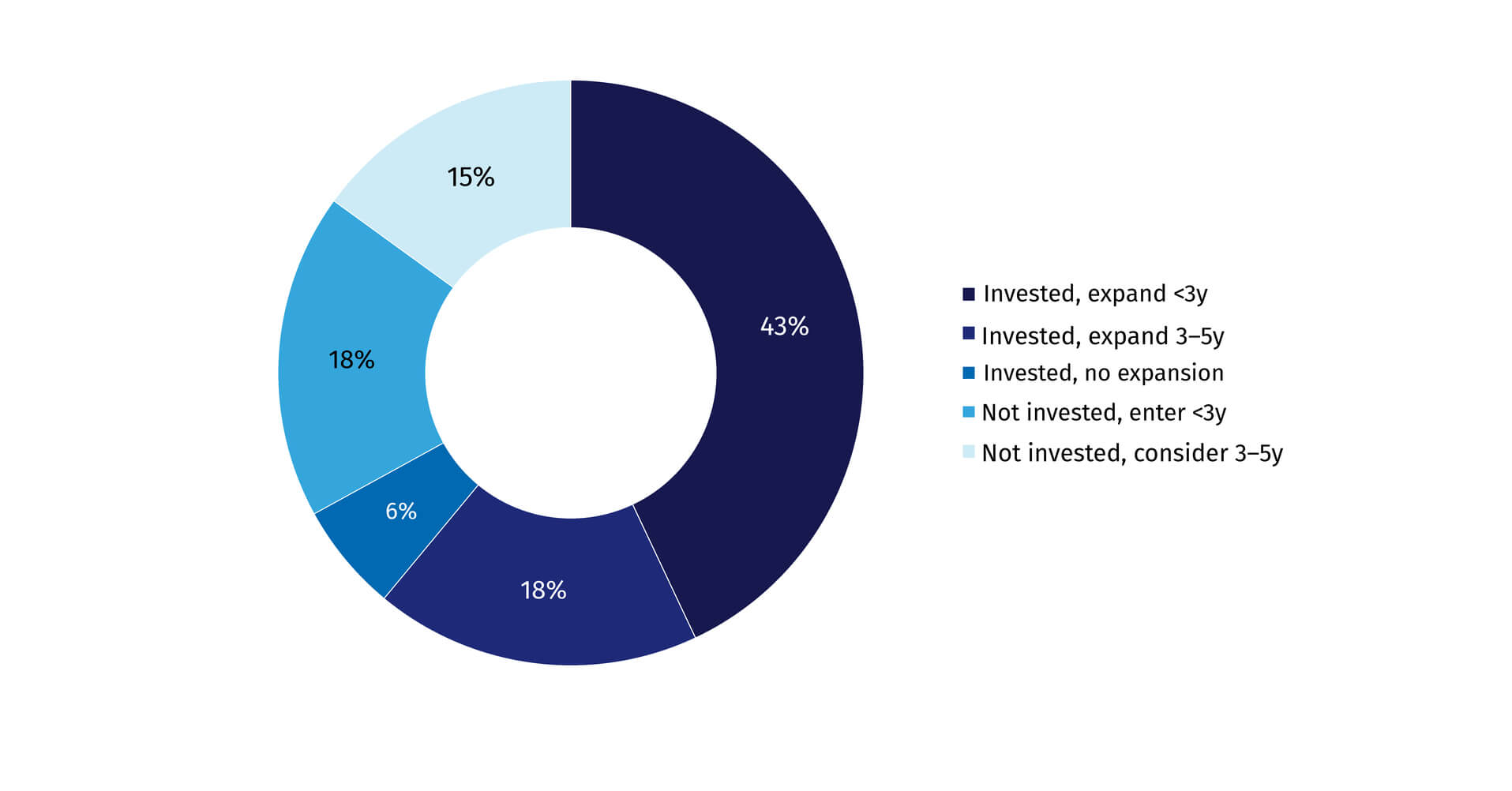
Figure 2: Current and planned investment in Europe
Source: Global Sentiment Survey on Europe 2026, B2B online survey. Base: n = 1,200
Germany: Europe’s ‘investment magnet’
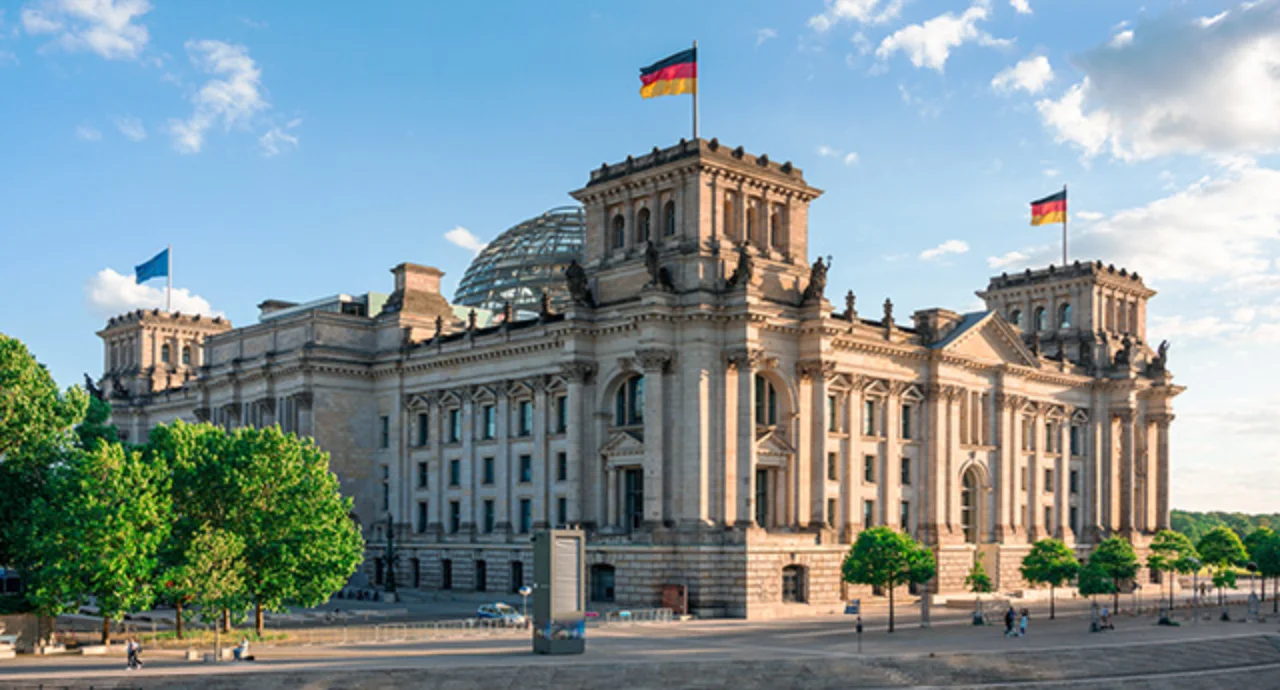
At a country level, Germany leads the field as Europe’s most attractive investment destination. Some 56% of respondents rank it among their top three European markets, while 29% place it first, ahead of the United Kingdom and France.
This strong showing reflects a wide range of perceived strengths, from innovation, technology and industrial capabilities to skilled talent, infrastructure, logistics and access to capital. These are themes that have previously been explored by flow – see ‘Germany update: breaking from the brake’ and ‘View from the top: raising the bar’.
European banks are of course playing a key role in facilitating international investment across the region. As investors translate confidence in Europe into concrete decisions, the choice of financial partner becomes increasingly important. For international companies navigating multiple markets and regulatory regimes, financial strength, robust risk and compliance capabilities, and local expertise are all important considerations. Against this backdrop, 60% of respondents say they would prefer to work with a European bank.
Yuliya Trupp, Head of US Regional Corporate Coverage EMEA at Deutsche Bank, notes that the bank’s international network and strength in Germany is “particularly valuable for companies seeking to expand across multiple markets”. She adds: “Our role is to bridge global strategy and local execution. We support clients with everything from establishing banking and liquidity structures to payments, FX, funding, trade finance and working-capital solutions.”
At a glance: investor appetite in Germany
- Germany is Europe’s no.1 investment destination
- 56% include Germany in their top 3 markets
- 29% rank Germany as their first choice
- 59% see infrastructure and logistics as a strength
- Germany leads on innovation and technology (58%)
- Germany leads on industrial capability and skilled workforce (56% each)
Source: Global Sentiment Survey on Europe 2026, B2B online survey. Base: all respondents, n = 1,200
The Asia story
APAC investor appetite for Europe is notable for its room for growth. While 55% of surveyed firms are already invested in Europe (see Figure 3 below), APAC (excluding China) has the largest share of companies planning to enter Europe (44%).
One example of APAC capital allocation in Europe is seen in the growing presence of Taiwanese technology companies in Germany. As the global AI build-out drives a multi-year investment cycle, Taiwanese firms are expanding production, building overseas facilities and strengthening supply chains, increasing demand for financing along the Taiwan-Germany corridor.
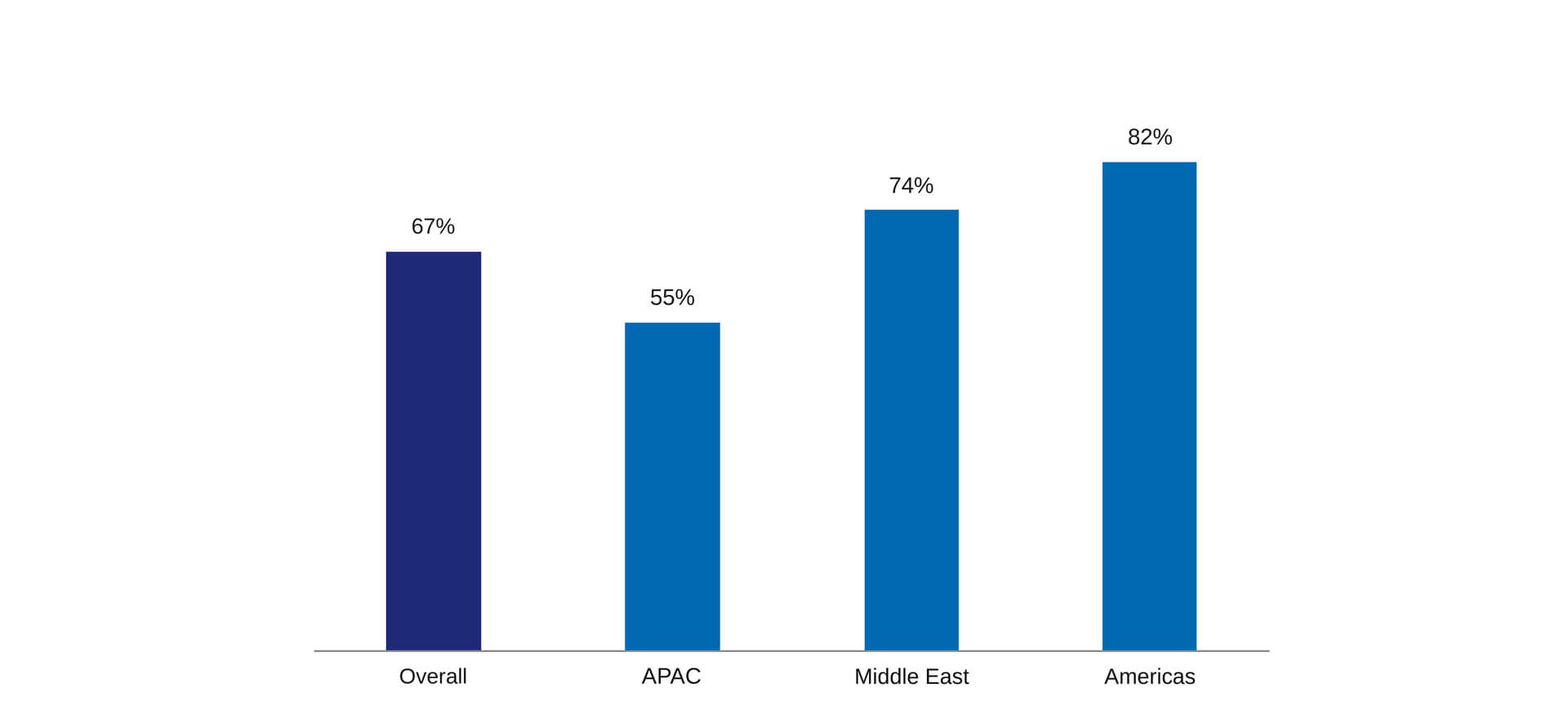
Figure 3: Companies currently invested in Europe
Source: Global Sentiment Survey on Europe 2026, B2B online survey. Base: n = 1,200 (APAC 600; Americas 400; Middle East 200)
Fintech payment companies are another growing APAC segment seeking to expand in Europe. In June 2025, Deutsche Bank and Ant International announced a strategic partnership that will see the latter deepen its commitment to Europe via a series of global treasury management and cross-border payment innovations.2
In August 2026, Deutsche Bank was appointed by the People’s Bank of China as a Renminbi (RMB) clearing bank for Europe in Frankfurt. As the first foreign bank to receive the designation in Europe, Deutsche Bank can provide direct end-to-end processing, clearing and settlement for cross-border RMB transactions, providing European financial institutions and businesses with a local bridge to China’s payment systems.
The US story
Across the Atlantic, 82% of US multinationals already have a presence in Europe, but its importance as an investment destination continues to grow. Some 85% of decision-makers say Europe has become more important to their investment decisions over the past three years, while 39% believe it has become much more important, compared with 24% in APAC and 20% in the Middle East.
According to the U.S. Bureau of Economic Analysis, total US direct investment abroad rose by US$438bn in 2025, with Europe accounting for most of the increase: investment in the region grew by US$350bn year on year.3
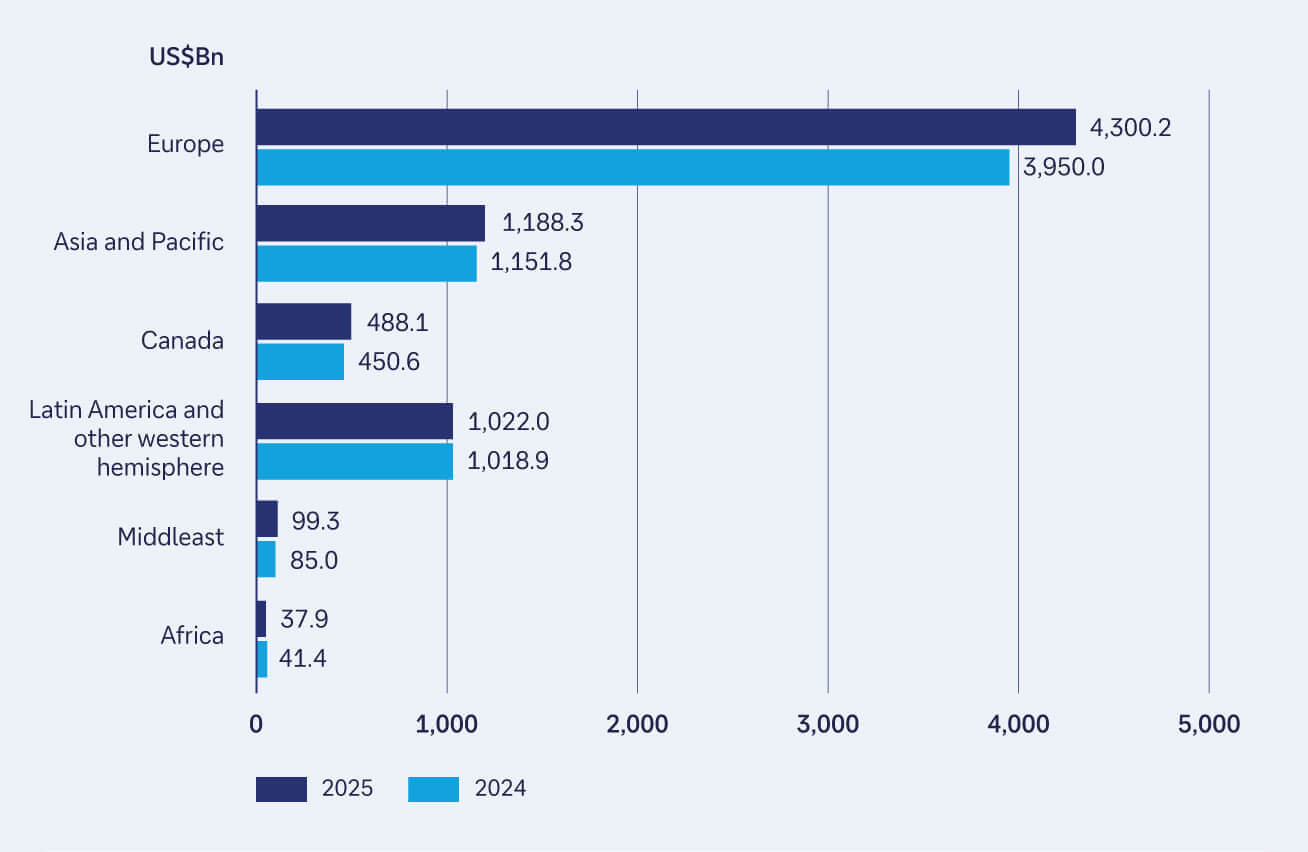
Figure 4: US direct investment abroad by region, 2024–2025
Source: U.S. Bureau of Economic Analysis
A recent example is Uber’s takeover bid for German takeaway company Delivery Hero in a deal worth US$14.8bn. The transaction will increase the number of markets in which the company operates from 79 to 99. Alongside strategic M&A advice, Deutsche Bank is also participating in bridge financing for the transaction.4
Trupp highlights that „Europe remains a key investment destination for US multinationals“, driven by its scale, skilled workforce, infrastructure, and attractive consumer markets. „Recent investment trends include healthcare manufacturing expansions in Germany and Spain, investment in the European data centre ecosystem, and fintech firms establishing a presence in the UK. US multinationals also continue to choose Europe as their Regional Treasury hub, reinforcing its role as a gateway for international business and treasury management.“
“Europe remains a highly compelling investment destination for US multinationals”
The Middle East story
Europe is also attracting growing interest from the Middle East. Some 89% of investors say its importance to their investment decisions has increased over the past three years (20% much more important, 69% somewhat more important), while a further 33% are planning to invest despite not yet having done so. Resilience appears to be part of the attraction, with a region-wide high of 82% viewing Europe as resilient (25% highly resilient, 57% rather resilient).
One example of Middle East-to-Europe investment collaboration came in November 2025, when Qatar’s Al Mirqab Capital partnered with Deutsche Bank and DWS on a mandate initially targeting €1bn of investment in Germany and the wider European economy, spanning sectors from energy and transportation to telecommunications and technology.
What does Europe need to do next?
While the survey highlights that Europe remains highly attractive to global investors, respondents also note there is room for improvement when it comes to competitiveness, market integration and innovation. These three factors are identified as essential to improve and sustain if Europe is to remain an attractive location for international investment.
Europe’s biggest obstacle is arguably Europe itself; Trupp points out that it is not a single homogeneous market, so “companies need to navigate different jurisdictions, regulations, currencies, and tax regimes, which can create considerable complexity as they scale”.
It remains to be seen if these hurdles will be overcome and Europe can tap into its full growth potential, but, for now, investors appear to be ‘voting with their capital’ when it comes to confidence in Europe as an investment destination.
The Global Sentiment Survey on Europe 2026 was conducted as a business-to-business online survey in July and August 2026 among 1,200 senior decision-makers at companies with 100 or more employees. All participating companies are headquartered outside Europe, across 13 markets in three regions.
To read the full survey results, or download the accompanying report, click here.


You might be interested in
Macro and markets, Trade finance and lending
Germany update: breaking from the brake Germany update: breaking from the brake
One year on from Germany’s radical loosening of the so-called debt brake that released €500bn to enhance defence capabilities and modernise infrastructure, all eyes are on how the borrowing is translating into actual investment and economic growth. flow’s Clarissa Dann provides an update, drawing on Deutsche Bank Research insights.

Trade finance and lending, Opinion
After Draghi: what’s next for Europe’s economy? After Draghi: what’s next for Europe’s economy?
Competitiveness, resilience or preparedness – the big imponderables for European trade in 2026. Independent trade economist Dr Rebecca Harding explains why diverse and resilient supply chains are key – and how these should be financed

Macro and markets, Trade finance and lending
Macro outlook: when AI meets geopolitics Macro outlook: when AI meets geopolitics
Artificial intelligence (AI) and the fallout from the Middle East conflict are the two forces currently defining the global economy. Drawing on Deutsche Bank Research’s mid-year outlook, flow reports on how this is impacting GDP growth in different regions