
-

Trade finance and lending
Meeting the Middle East’s taste for British cheese
With the UK-Gulf Cooperation Council (GCC) free trade agreement signed, British exporters have a fresh route into fast-growing Middle East markets. But what support can its exporters call upon for those products that have a long gestation period? flow’s Clarissa Dann finds out at GTR UK 2026
MINUTES min read
“One of the most crucial ways to make your economy grow is by connecting with the rest of the world and engaging in trade,” declared Sir Crawford Falconer, Former UK Chief Trade Negotiator (2017–2024), to those from the trade and export community at the opening of GTR UK 2026 in London.
At a time that has seen the rise of China to become a genuine trade competitor – and the US increasingly perceive it as a strategic adversary – he cautioned against economies thinking that “we can grow somehow behind our barriers.”
“Two-thirds of our [UK] economy is imports and exports”
A dual national UK and New Zealand citizen Falconer has 25 years as a trade and trade policy expert with Permanent Secretary role to the UK government during the Brexit years. He emphasised that for the UK the protectionist approach “was just not an option” because “two-thirds of our economy is imports and exports.” Consequently, “if we want to survive and if we want to grow, we have to trade – we are not like the US with a huge domestic market.” He reminded delegates that the UK is the biggest net exporter of financial services in the world.
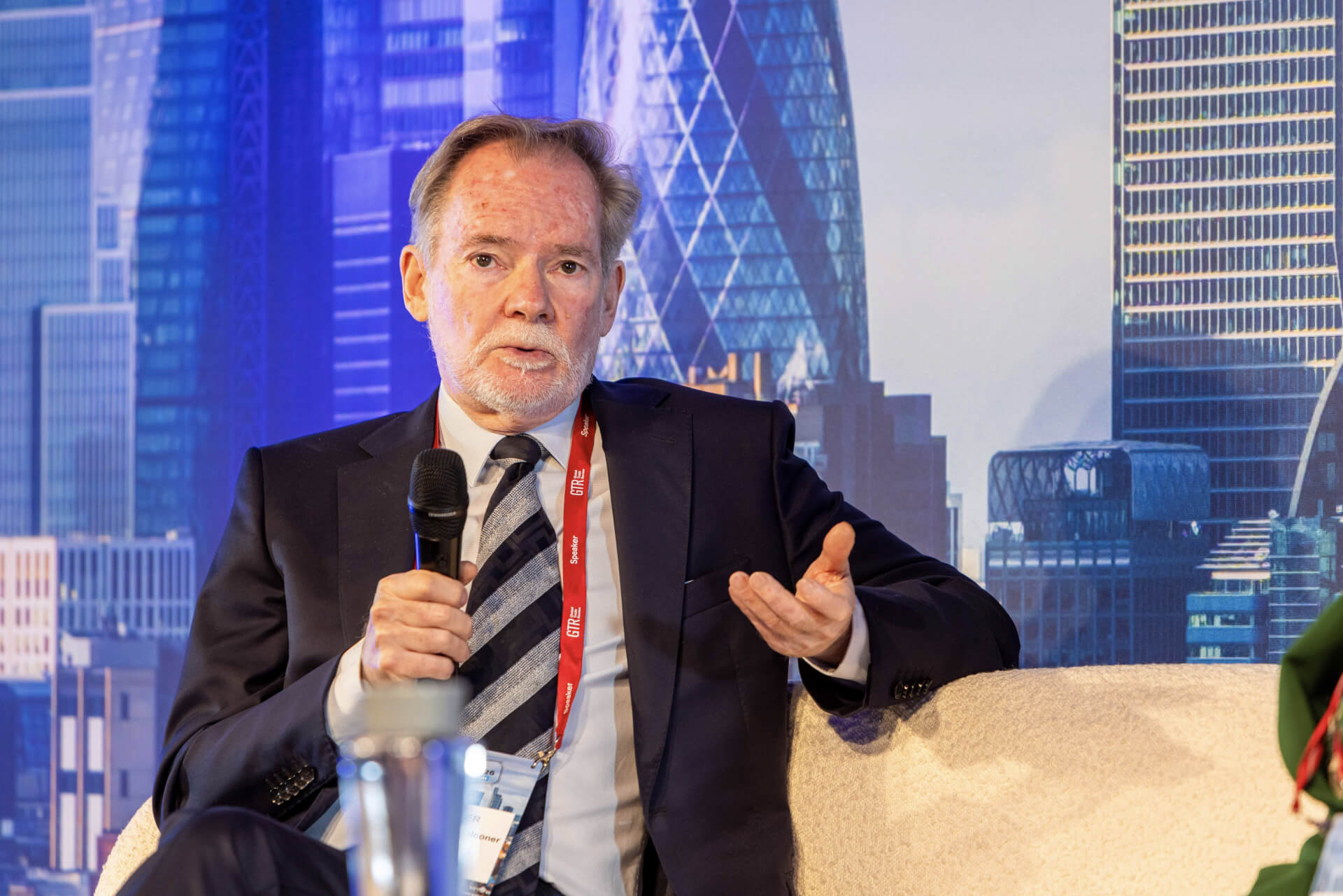
Sir Crawford Falconer, Former UK Chief Trade Negotiator (2017–2024) explains why the UK must trade
“Follow the money,” Falconer advised. This, he explained, comes from developing economies in East Asia and Latin America and expressed surprise that the UK had not pursued trade agreements with the ASEAN and Mercosur blocs. “At a time when we don’t have growth, at a time when our traditional trading partners are wavering in the face of Chinese competitiveness, the last thing we should be doing is sitting on the sidelines – we should be getting in now.” A bright point, he added, was the completed agreement with the Gulf Cooperation Countries (GCC)1 and “we have to get in on the ground with these growing economies.”
UK-Gulf Cooperation Council (GCC) free trade agreement
Signed on 20 May 2026 – with negotiations having commenced four years earlier – the milestone agreement between the UK and the GCC countries comprising: Kingdom of Bahrain; State of Kuwait; Sultanate of Oman, State of Qatar and Kingdom of Saudi Arabia is awaiting domestic ratification before coming into force.
According to the UK government, the GCC’s combined GDP of £1.8trn (US$2.41trn) represents a valuable import market worth US$1.04trn and projected to double in real terms by 2050.
Total UK trade with the GCC is worth £53bn, according to Office for National Statistics data, and the government estimates that bilateral trade could increase by 19.8%. The main British exports to the GCC include: financial and professional services, healthcare, medical equipment, pharmaceuticals, industrial machinery, technology and high-end consumer goods. The UK’s main imports from the GCC are oil and gas, petrochemicals and aluminium.
Source: UK-Gulf Cooperation Council (GCC) trade deal: conclusion summary
UK economic update
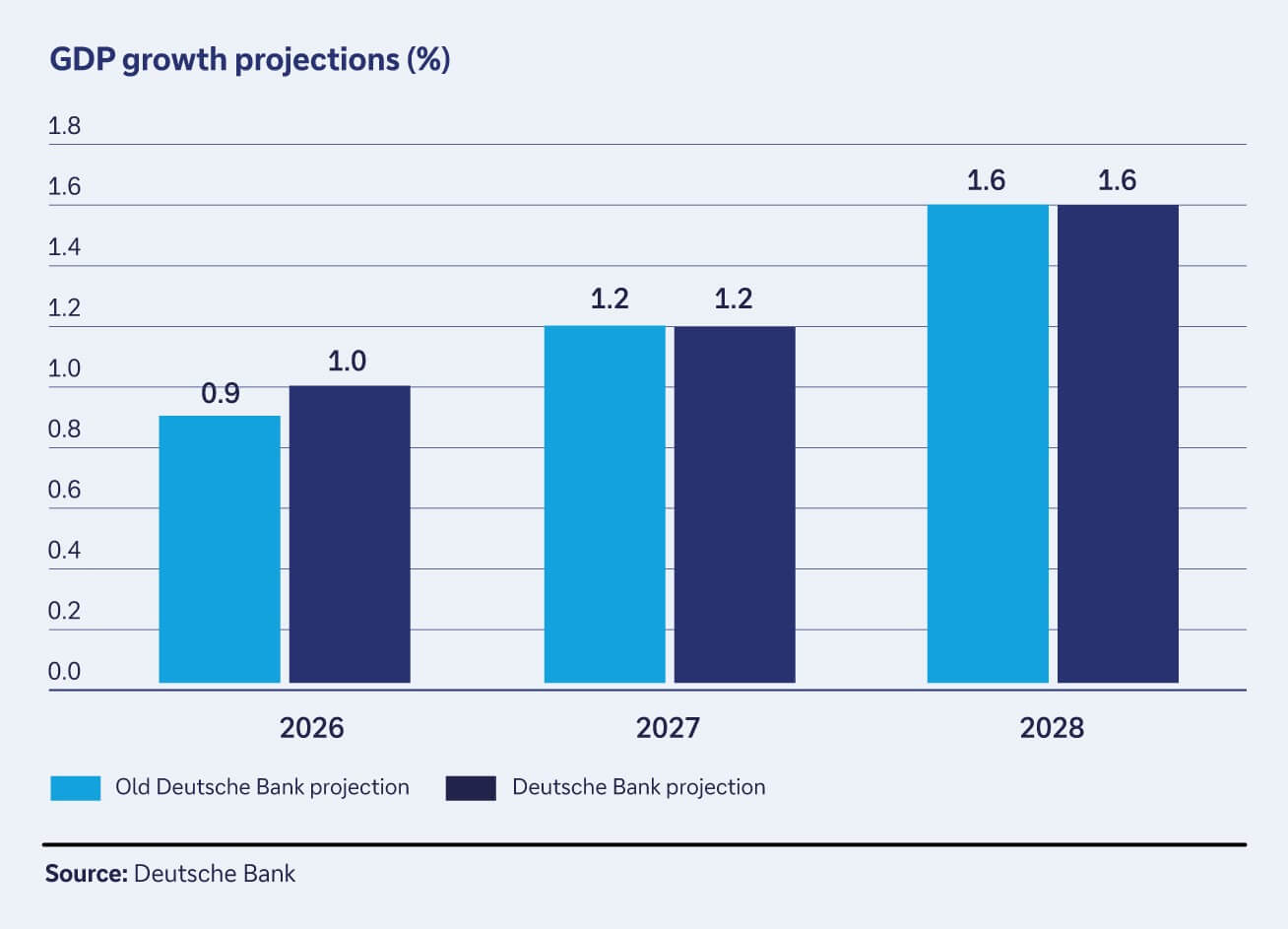
Figure 1: GDP growth projections
Source: Deutsche Bank
Falconer’s remarks were delivered at a time when UK GDP is now on track for GDP growth for 2026 of 1%, with activity rising to 1.2% in 2027 and 1.6% in 2028, according to Deutsche Bank Research’s analysts.
In their 1 June World Outlook2, UK Chief Economist Sanjay Raja observes, “The effects of higher energy and indirect prices will likely catch up with UK households and businesses. Pump prices have already jumped by around 20%. Dual fuel bills are set to rise by 13–15% in July. Financial conditions have also tightened – likely dragging on housing market and investment activities, relative to our previous baseline. And geopolitical uncertainty, we think, will dampen both business investment and housing activity.” In other words, Falconer was spot on – free trade agreements are vital.
Supporting UK exporters
The UK export credit agency, UK Export Finance (UKEF) plays a key role in supporting British exporters (large and small), through various initiatives to boost credit accessibility and trade finance support and to help them manage working capital stresses. In 2024-2025, UKEF provided £14.5bn of financial support to UK exporters.3
At GTR UK 2026, Geoffrey de Mowbray, Chair of the British Exporters Association (BExA) and CEO of Dints International (a specialist in export finance, procurement and complex cross-border trade) chaired a panel comprising representatives from one UK corporate, three providers of lending/liquidity and UKEF. The British ECA, he explained, does not set out to replace the private market, but to “give lenders and exporters the confidence they need to keep trading” at a time of “elevated cost pressures, disrupted trade routes and continuing uncertainty.”
Amy Clarke, Head of Short-Term Business at UKEF commented that a combination of Covid and the Russia/Ukraine conflict – as well as other changes – had made conditions difficult for UK SMEs – “and getting export contracts had not been a priority for them.” Given that those SMEs would, she noted, be 20% more productive if they did export, explains why UKEF is in place for smaller as well as larger companies – to help them increase their productivity by exporting. In addition to guarantees to keep bank liquidity flowing to exporters (made available to banks and other non-bank partner lenders), UKEF also provides export credit insurance for exporters. “We will sit where private credit insurers won’t go,” said Clarke (often because the premium earned is not enough). “We have sent truffles from Oxfordshire to Malaysia on the back of that, microscopes from Brighton to the UAE, cabling from Bristol to Saudi Arabia. It (export credit insurance) is a really powerful countercyclical product.”
Deutsche Bank has partnered with UKEF on many transactions, the most recent of which was to support the Guinea government develop its Koloma Administrative City initiative combining buyer credit with direct lending to bridge a clear market gap. Sapna Sapra, Head of Structured Trade and Export Finance UK, Deutsche Bank, who works closely with the ECA, reflects on how this relationship has supported SMEs and contributed to UK job creation.
“We are proud of our longstanding collaboration with UKEF, which enables us to mobilise capital for critical infrastructure and strategic projects across key markets for Deutsche Bank, while supporting UK exporters and SMEs and sustaining jobs throughout the UK supply chain.”
More cheese
Richard Clothier, Managing Director, Wyke Farms explained how his family business exports cheddar cheese to 160 countries around the world and that a big constraint is “cash and finance”. Support from UKEF has been key, he confirmed.
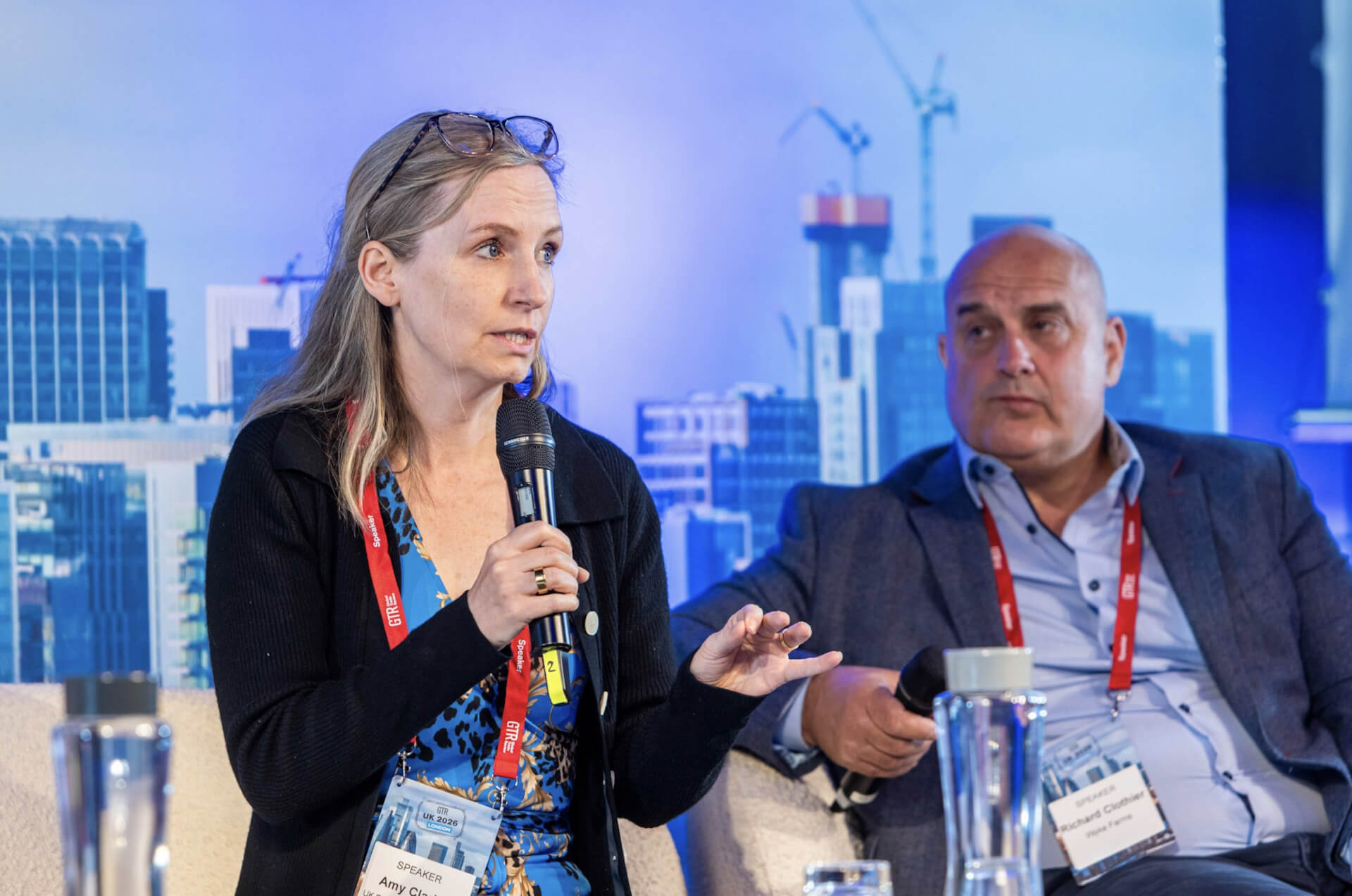
Left: Amy Clarke, Head of Short-Term Business at UKEF, right Richard Clothier, Managing Director Wyke Farms
Generations of the Clothier family have been making cheese since 1861, and their premium “long-age vintage cheddars” are aged for around two years. “Currently my team are out in the US – hopefully picking up some nice orders – and we have set ourselves a target of increasing our sales in the US by around 1,000 tons a year over the next couple of years.”
“That constant need for more finance for the long-age stocks is always a challenge”
Clothier went on to explain that because this means the company would have to hold 2,000 tons of cheddar stocks at current milk prices – this would tie up an additional £8m–£9m. “So, while we are keen to drive sales, holding that two years of stock is one of the things that puts significant pressure on the business.”
Wyke Farms turns over around £190m annually and has stock values of around £65m. “If we want to increase our sales, the stocks go out really quickly, so that constant need for more finance for the long-age stocks is always a challenge,” said Clothier. And this is on top of the ongoing requirement to invest in infrastructure and overall capacity expansion. “It’s business we need to be doing, because it’s really premium – there are growing pockets of affluence all around the world and it’s the way we can return more money to our farmer suppliers in the region.” He added that the company has to meet the need immediately or you lose the opportunity and someone else’s product goes on the supermarket shelf.
“The UKEF team have been really helpful,” stressed Clothier. “We feel that they’ve really bought into the business – they have all been down to the farm, they understand the challenge and see what we do.” He added the team shared their passion for the product, as well as the benefits of exporting. Along with the premium added value (from discerning palates around the world) those benefits include diversification of the customer base and its geographies. “If one economy is performing slightly worse, hopefully another will be performing better.”
Getting liquidity unlocked
For commercial banks, panelists agreed that client fundamentals are key to supporting with liquidity. They partner with UKEF and work closely with clients to encourage the quest for new markets rather than remaining anchored to existing ones. They check the working capital cycle, where the companies are exporting to, the nature of the goods, and what the balance sheet looks like.
Speed of decision making is vital, BExA’s de Mowbray reminded delegates. “If you’re too slow, your client has gone elsewhere,” he said. James Davis, Founder of London-based non-bank debt finance provider Nighthawk Export Finance (NEF), agreed. “When the order comes in from that overseas jurisdiction, that delivery has to be quick.” So does the financing decision. “Businesses need to know exactly where they sit and how they can execute that order flow – and International Scale-up that revenue.”
The panel also discussed where cross-border invoice discounting could help exporters in managing working capital pinch points but agreed that it was important to ensure the right structure and solution for each exporter’s business.
Circling back to Falconer’s point that the UK has no option but to trade, one thing is certain – once the GCC Free Trade Agreement is implemented, a lot more cheese will be heading to the Middle East…
GTR UK 2026 took place in London on 10 June 2026

An example of Wyke Farms cheese from a UK supermarket. Image © Deutsche Bank
Sources
1 See UK-Gulf Cooperation Council (GCC) Trade Deal at gov.uk
2 See World Outlook: 1999 meets 1990, from Deutsche Bank Research (1 June 2026)
3 See UK Export Finance at gov.uk
4 See Export insurance applications made simpler for businesses with new online portal at gov.uk


You might be interested in
Trade finance and lending, Macro and markets
Commodities 2026: the Hormuz factor Commodities 2026: the Hormuz factor
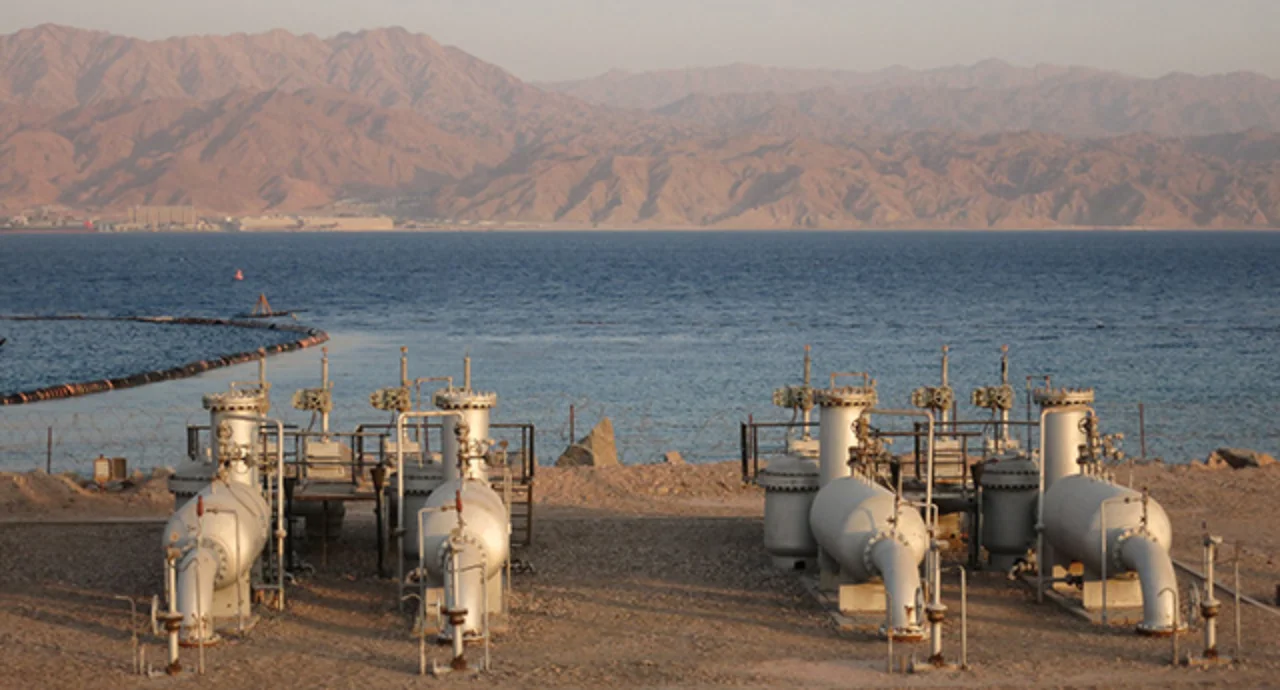
The commodity finance community gathered at TXF Amsterdam 2026 to examine how recent events in the Middle East have impacted the trading, producing and financing of key commodities. flow’s Clarissa Dann reveals how traders are diversifying their funding sources and strategically utilising their facilities
flow case studies, Trade finance and lending
Guinea’s wealth creation manifesto Guinea’s wealth creation manifesto
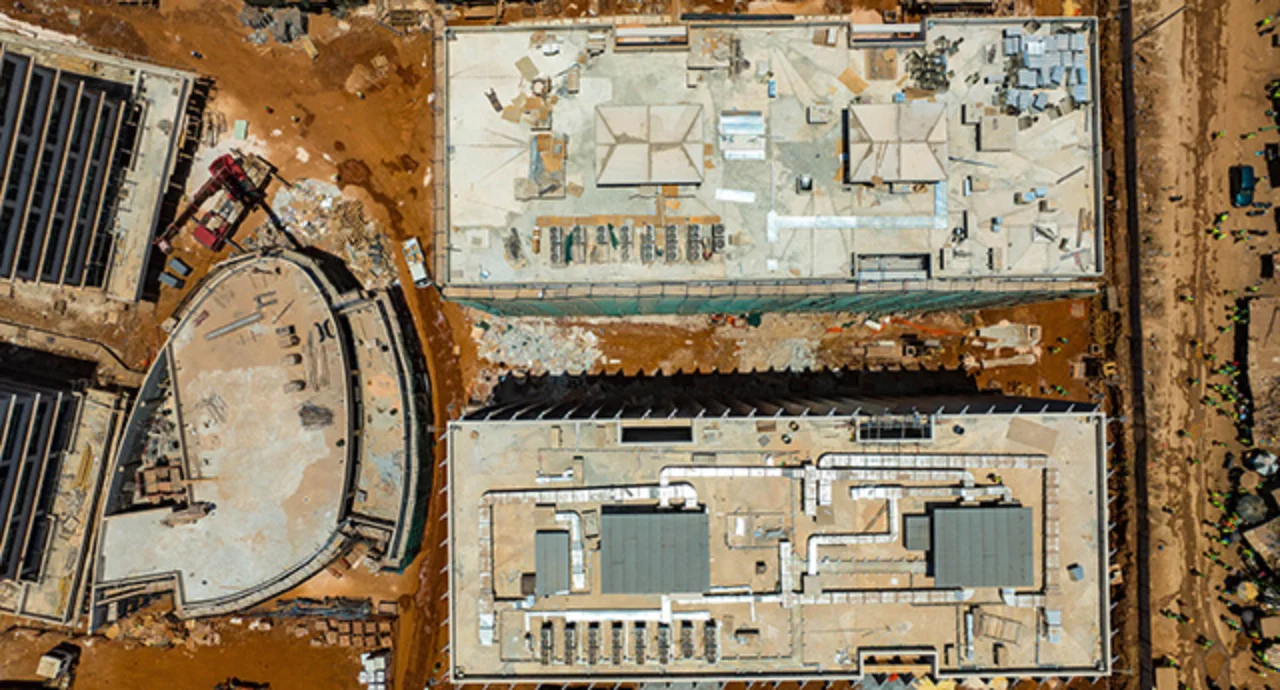
flow’s Clarissa Dann reports on how The Republic of Guinea’s government chose the UK Export Finance and Deutsche Bank partnership to develop the Koloma Administrative City to house multiple ministries under one roof, improving efficiency and transparency and delivering long-term cost savings to the treasury
Trade finance and lending, Macro and markets
Europe’s energy stress test Europe’s energy stress test
How will this latest Iran oil shock impact the global economy, and what does this mean for ramping up Europe’s competitiveness? flow’s Clarissa Dann shares geopolitical insights from expert speakers at the 3–5 March 2026 BAFT Europe Forum